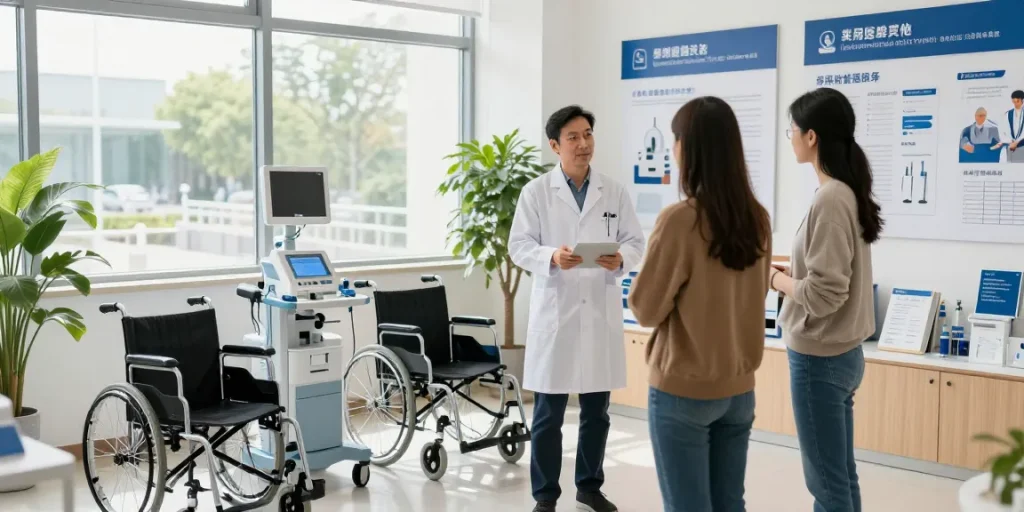
Understanding the Market for Medical Equipment
The medical equipment market is evolving rapidly as healthcare demands shift and technology advances. Selling medical equipment locally can be a lucrative opportunity for businesses, provided they understand the nuances of this complex landscape. As health systems prioritize efficiency and quality care, distributors need to remain agile and informed about current trends and challenges within the industry. If you’re looking to sell medical equipment near me, grasping these elements will significantly enhance your market strategy.
Current Trends in Medical Equipment Sales
Recent trends in medical equipment sales reveal a strong shift towards digital platforms and telehealth solutions. According to market research, the global telehealth market is expected to grow significantly in the coming years, driven by increased consumer demand for remote care. Additionally, companies are increasingly integrating technologies such as Artificial Intelligence (AI) and the Internet of Things (IoT) into medical devices, making them smarter and more effective.
- Increased demand for home care equipment
- Growth in telehealth and remote monitoring devices
- Smart medical devices gaining traction
- Focus on sustainability and eco-friendly products
Challenges in Selling Medical Equipment Locally
While there is potential for growth in local medical equipment sales, several challenges persist. One major hurdle is navigating the complex regulatory landscape that governs medical devices. Businesses must ensure compliance with both local and federal regulations, which can be daunting for newcomers. Furthermore, establishing trust with healthcare professionals and institutions is crucial, as they tend to rely heavily on proven suppliers for their medical needs.
Identifying Target Customers for Medical Supplies
Understanding who your target customers are is essential for successfully selling medical equipment. Typically, your audience may include hospitals, clinics, nursing homes, rehabilitation centers, and individual healthcare providers. Conducting thorough market research can help identify specific needs and buying patterns, enabling you to tailor your marketing strategies effectively.
Building an Effective Online Presence
In today’s digital age, having a strong online presence is critical for any business, including those involved in selling medical equipment. A well-optimized website can attract local buyers effectively, enhancing your reach and engagement with potential customers. By focusing on SEO strategies, you can ensure that your website ranks well for relevant searches, increasing your visibility to target audiences.
Optimizing Your Website for Local Searches
One of the key components of effective SEO is ensuring that your website is optimized for local searches. This includes using relevant keywords, creating informative content, and setting up a Google My Business profile. Local SEO tactics, such as including location-specific keywords and engaging with customer reviews, can significantly enhance your search rankings.
Leveraging Social Media for Engagement
Social media platforms are invaluable for promoting your medical equipment sales. Sites like LinkedIn, Facebook, and Instagram can help you connect with both healthcare professionals and potential end-users. Sharing informative content, industry news, and even customer testimonials on these platforms can boost your brand’s credibility and visibility.
Creating Compelling Content that Attracts Customers
Content marketing plays a vital role in engaging potential customers. Developing blog posts, guides, and case studies relevant to medical equipment can position your business as a thought leader in the industry. Providing in-depth analysis and actionable insights not only attracts traffic but also cultivates trust with your audience.
Networking and Building Relationships
Networking is an essential aspect of successfully selling medical equipment in your area. Establishing relationships with key stakeholders can open doors to new business opportunities and collaborations. By attending networking events and engaging with local healthcare providers, you can enhance your visibility and brand recognition.
Connecting with Healthcare Providers and Facilities
Building relationships with healthcare providers, hospitals, and care facilities can significantly enhance your sales strategy. By attending local health fairs, sponsoring community events, or even organizing workshops, you can foster connections that may lead to partnerships and contracts.
Establishing Trust and Credibility in the Community
Trust is paramount in the medical field. To build credibility, it’s essential to demonstrate your expertise and reliability. Sharing testimonials, success stories, and case studies can showcase your product effectiveness and establish your business as a trusted resource in medical equipment.
Participating in Local Health Events and Expos
Participating in local health events and expos provides an invaluable opportunity to showcase your products and connect with potential customers. Not only does it allow for direct interaction with your target audience, but it also enhances brand visibility and allows for networking with other industry professionals.
Compliance and Regulations in Medical Equipment Sales
Understanding and adhering to compliance and regulatory requirements is crucial for selling medical equipment. The medical equipment industry is highly regulated to ensure the safety and efficacy of devices. Familiarizing yourself with both local and federal regulations will help you avoid legal issues and maintain a strong reputation in the market.
Understanding Local and Federal Regulations
Before engaging in the sale of medical equipment, you must understand the relevant regulations and compliance requirements. Familiarizing yourself with standards set by organizations such as the FDA and ISO can help ensure that your products are safe and effective.
Ensuring Quality and Safety Standards are Met
Quality assurance is critical in the medical equipment industry. Implementing stringent quality control processes and adhering to safety standards not only protects your customers but also enhances your business’s reputation. Regularly reviewing these standards can keep you compliant and ahead of competitors in the market.
Maintaining Accurate Inventory and Documentation
Proper record-keeping and inventory management are essential for compliance and operational efficiency. Implementing a robust inventory management system can help track sales, manage orders, and simplify the exchange or return processes. Accurate documentation also facilitates smoother audits and compliance checks.
Optimizing Your Sales Strategy
A successful sales strategy is multifaceted, requiring a careful approach to pricing, customer feedback, and performance measurement. Knowing how to adapt your strategies based on market conditions and customer needs will significantly impact your overall success in selling medical equipment.
Pricing Strategies that Attract Local Buyers
Competitive pricing is essential in attracting local buyers. Analyzing market rates and adjusting your pricing strategies to reflect local demand can make your offerings more appealing. Consider bundling services or offering promotions to incentivize purchases, especially for larger institutions.
Using Customer Feedback to Improve Sales Tactics
Actively seeking customer feedback can provide insights into your sales tactics and product offerings. Implementing feedback loops through surveys or direct communication can highlight areas for improvement and help tailor your sales approach to better meet customer expectations.
Measuring Success: Key Performance Indicators for Equipment Sales
Measuring your sales success is crucial for understanding the effectiveness of your strategies. Key Performance Indicators (KPIs) such as sales volume, customer acquisition cost, and customer retention rates can provide meaningful insights into your business performance. Regularly reviewing these metrics can help refine your approach and drive growth.
What Are the Benefits of Selling Equipment Locally?
Selling medical equipment locally offers several advantages. Firstly, it allows for direct engagement with customers, fostering stronger relationships. Secondly, local sales can reduce shipping costs and delivery times, making your products more attractive. Finally, establishing a local presence can enhance brand loyalty and community reputation.
How to Leverage Customer Testimonials in Sales?
Customer testimonials are powerful marketing tools. Sharing positive feedback and success stories on your website and social media can enhance credibility and attract new customers. Encourage satisfied clients to provide testimonials and highlight these stories in your marketing materials to drive conversions.
What New Technologies Are Emerging in Medical Sales?
The medical sales landscape is continuously evolving with the introduction of new technologies. Innovations such as telemedicine platforms, AI-driven diagnostics, and connected devices are reshaping how medical equipment is sold and utilized. Staying updated on these trends is crucial for maintaining a competitive edge.
Are There Grants Available for Medical Equipment Sellers?
Many organizations and government initiatives offer grants to support medical equipment sellers and innovators. Researching available grants can provide funding opportunities that facilitate business growth and expansion. Exploring local and federal resources can help identify the best options for your business.
How Do I Handle Returns or Exchanges in Medical Sales?
Having a clear returns and exchanges policy is essential in the medical sales industry. Make sure your customers are aware of your policies upfront, and streamline the process to ensure customer satisfaction. Efficiently handling returns or exchanges can enhance your reputation and foster long-term relationships.